

Bio-based Additives
expanding the potential and reach of biopolymers, or bioplastics, and recycled plastics in Mexico and South America
Global brand owners have bold targets to increase biopolymers or recycled content in their products. With demand for, and production of, bioplastics forecast to boom in Latin America[1] over the next five years, Clariant’s additives regional manager in LATAM Eliandro Felipe looks at the advantages of our alliances and sustainable additives to create more environmentally friendly materials towards a Circular Economy. One country of focus is Mexico as it builds on its globally recognized reputation for PET recycling, takes steps to improve waste management and reduce fossil-based plastic use.
»We are also seeing that more innovative and sophisticated biopolymers, applications, and products are emerging, including, for example, the PLA compounds produced by the company Floreon, with which Clariant has an alliance to expand high-performance biopolymer applications to additional markets.«
Eliandro Felipe, to begin with a broad overview, how much have bioplastics penetrated the global plastics market, what is their current status in the plastics value chain?
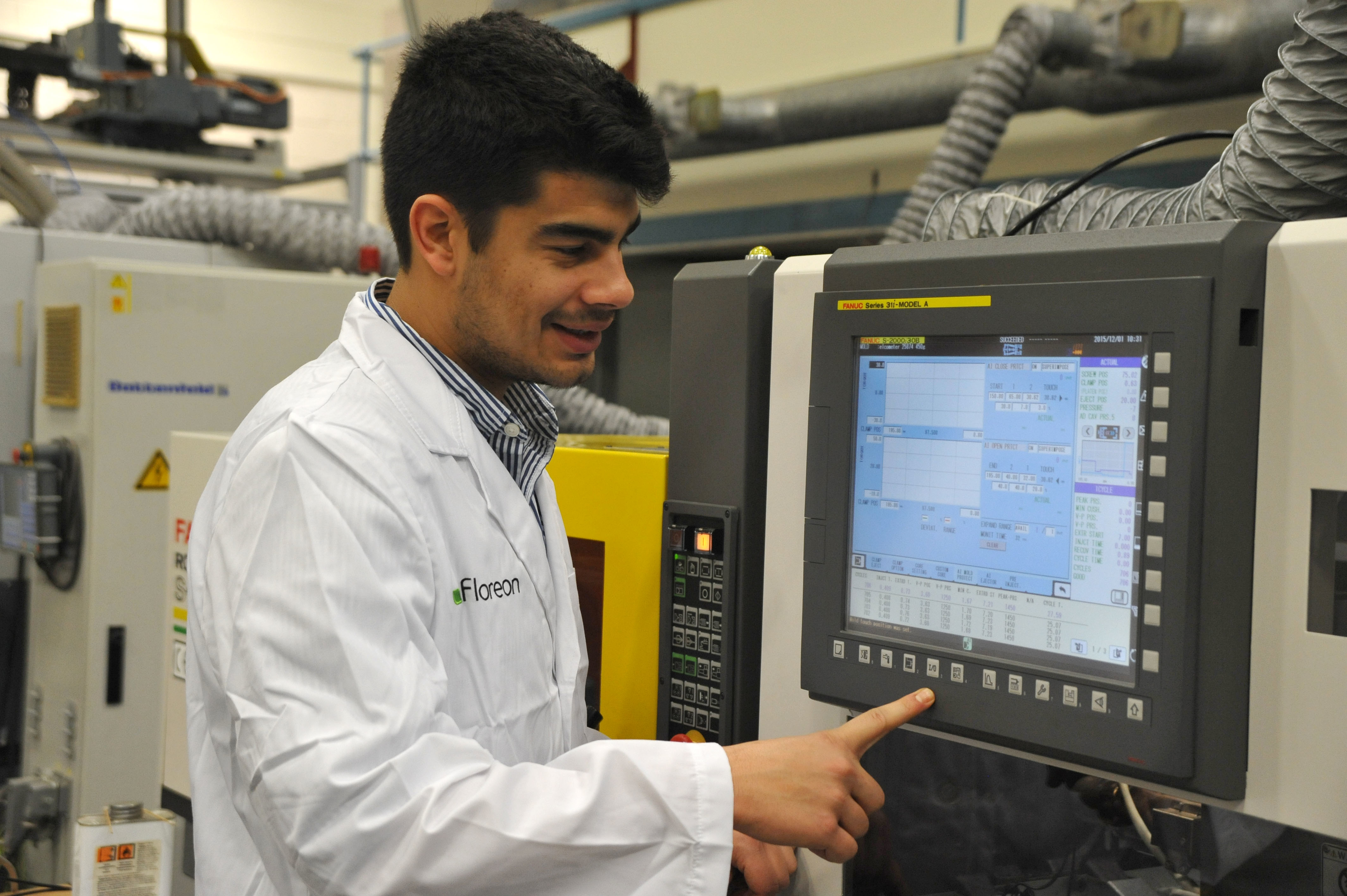
Bioplastics make up around one percent of the 360 million or so tonnes of plastic produced every year. That may sound small, but demand is rising fast, as is production capacity. In 2019 the global bioplastics production capacity was 2.11 million tonnes and that is forecast to rise to 2.43 million tonnes by just 2024. Production of bioplastics in Latin America makes up 12% of the global total and is growing strongly[2]. We are also seeing that more innovative and sophisticated biopolymers, applications, and products are emerging, including, for example, the PLA compounds produced by the company Floreon, with which Clariant has an alliance to expand high-performance biopolymer applications to additional markets.
As the world transitions to a circular economy, what role will bioplastics play – how important will they be in this transition?
At Clariant we see bioplastics as an important component towards reaching a circular economy as they help to transition current consumption away from the ‘make, use, dispose of’ model, and we are taking a holistic approach to this challenge. Our EcoCircle initiative supports the transition from a one-way plastics value chain to a circular plastics economy by going beyond a simple product focus, looking at the entire value chain, and identifying the most sustainable and viable solutions for a circular plastics economy. This includes the development of cutting-edge additives and biopolymers, and alliances to push the expansion of bioplastics. In addition to plastic waste, climate change is one of the biggest challenges we face, and biopolymers also help everyone in the plastics value chain reduce CO2 emissions and their carbon footprints.
Is it still the case that bioplastics don’t perform as well as traditional plastic and, if so, how are Clariant’s sustainable additives closing the performance gap between biopolymers and other materials?
Bioplastics have come a long way since their widespread introduction in the 1970’s but it is true that in many applications they still fall behind petroleum-based plastics when it comes to physical properties.This is something that we are working on at Clariant with business partners, such as Floreon. By integrating the benefits of Clariant’s additives with Floreon’s proprietary PLA material solutions, our exciting new collaboration aims to open up additional possibilities for plastic manufacturers and brand owners to consider biopolymers as a viable, low carbon footprint alternative to fossil-based plastics for both single-use and durable applications. Markets set to benefit from the new enhanced grades include rigid and flexible packaging, electrical & electronic equipment, hygiene products, consumer goods and automotive.
Our additives really differentiate biopolymers while still preserving the environmental benefits. They can improve mechanical properties and ensure better heat aging performance and UV stability. They provide properties such as enhanced processing through a larger window of processability and better thermal stability and promote higher productivity via shorter cycle times. I can give you several examples.
First, Clariant’s fully sustainable, practically 100% renewable, non-food competing bio-additives solutions – our Vita labelled products – offer multiple processing and end-product enhancements to PLA.
Second, Licocare™ RBW Vita lubricants, based on rice bran wax, allow increased production rates by reducing the drag on the polymer during processing, thus helping to maintain proper surface aesthetics. This same exterior lubrication phenomenon also allows easier mold release, which mean less down time and fewer production delays when used in rapid, multi-cavity injection molding applications. Additionally, as the Licocare™ RBW Vita products are long-chain esters, they have excellent miscibility in biopolymers, like PLA-based blends. This typically means they maintain excellent clarity, have almost no effect on color, and do not show negative effects on polymer integrity.
And, third, the micronized version, Ceridust™ 1060 Vita, enables superior pigment dispersion in biopolymers, which means fewer breaks at the spinneret when forming fibers and ultimately more durable fibers in textiles.
Protecting the environment, by improving sustainability and addressing the plastics waste challenge, are especially important but cost competitiveness is also a crucial issue for manufacturers. Are Clariant’s additives cost competitive?
Yes, at Clariant we understand that if we are going to drive sustainability throughout the plastics value chain then our additives need to be accessible and affordable to our customers. So, for example, Clariant’s Licocare™ RBW Vita products are priced competitively to existing ester waxes and lubricants as well as having other potential benefits such faster production rates, or improved dispersion which allows for less pigment to be used for the same effect.This is also valid for Licocene™ products when used in masterbatch production, due to their great dispersion capabilities. In most cases masterbatch customers can use less Licocene products than the typical dosing of common waxes found in the marketplace.
What impact do you expect the current lower prices for oil to have on the biopolymer market in Latin America? Will it be affected?
As I mentioned earlier, bioplastics currently make up around one per cent of plastic produced every year, even though this is growing strongly, and we don’t see this overall trend changing. In fact, we think that changes in legislation and consumer attitudes will strengthen the drive towards more sustainable materials.We also think that biopolymers will be used in applications where their additional functionality, such as low carbon footprint and improved end of life options, offers value that most established plastics simply don't have. The main driver for that will be global brand owners established in LATAM, with their bold targets to either increase recycled content in their products or to increase the usage of biopolymers.
That said, cost will always be important so with the emerging economic consequences of the COVID-19 crisis, the first reaction of most companies in the plastics value chain will be to look at conventional polymers because of cost advantage. Because of the huge difference in scale in terms of the volume production between commodity oil-based plastics and biopolymer solutions such as Floreon’s, the economy of scale still needs to catch up.
What about Mexico? Are there opportunities in that market for biopolymers and plastic compounds using Clariant additives?
We see great opportunities for our sustainable additives in the Mexican market, particularly due to the push to increase the use of biopolymers and increase the percentage of recycled content in final products, by global brand owners already established in the country. And, we see this across multiple industries. Biopolymers are becoming increasingly attractive in packaging, consumer goods, transportation and electrics and electronics with automotive, medical devices and aerospace probably providing significant opportunities in the medium to longer term.You mentioned earlier the damaging economic consequences of COVID-19, on the flip side, are there potential opportunities that may come out of the crisis?
It’s true that due to the economic impact of the Covid-19 pandemic, the market may be looking for cheaper solutions/materials. Therefore, biopolymers will be challenged in terms of cost, due to the large availability of fossil-based polymers at competitive prices. On the other hand, two interesting issues have emerged.First, the pandemic has shown the importance of supply chains in rapidly adapting to emerging needs and situations. This can create opportunities for new technologies and potentially new ways to design products, for example in food/beverage packaging, medical and hygiene products, medical equipment, and lightweight commercial vehicles.
Second, the pandemic has highlighted how much we rely on nature and, for example, the World Economic Forum has launched it’s Great Reset Initiative, calling on the need for global stakeholders to cooperate in simultaneously managing the direct consequences of the COVID-19 crisis and improve the state of the world[3]. At this time, everyone in the plastics value chain has a pivotal opportunity to consciously move towards bioplastics. Overall, we think that brand owners won’t reverse their plans to better design products towards Circular Economy principles and taking into account climate change. Collaborations like the one Clariant and Floreon have announced are helping to contribute to this global Great Reset.