

Cities of the Future
Nature and Wellness at the Center of Urban Design
We live in a world dominated by climate and sustainability challenges so it’s no surprise that nature and wellness architecture, including resilience to climate change, is one of the hottest trends in building and urban design in 2019. But what exactly is nature and wellness architecture and how is it impacting our cityscapes and the places we call home?
According to the Global Wellness Institute, the ‘well’ trend has organically grown out of the ‘green’ trend, with industry thought leaders challenging designers, architects and urban planners alike to use the example of the incredible designs of nature to help shape the cities in which 55% of us live.
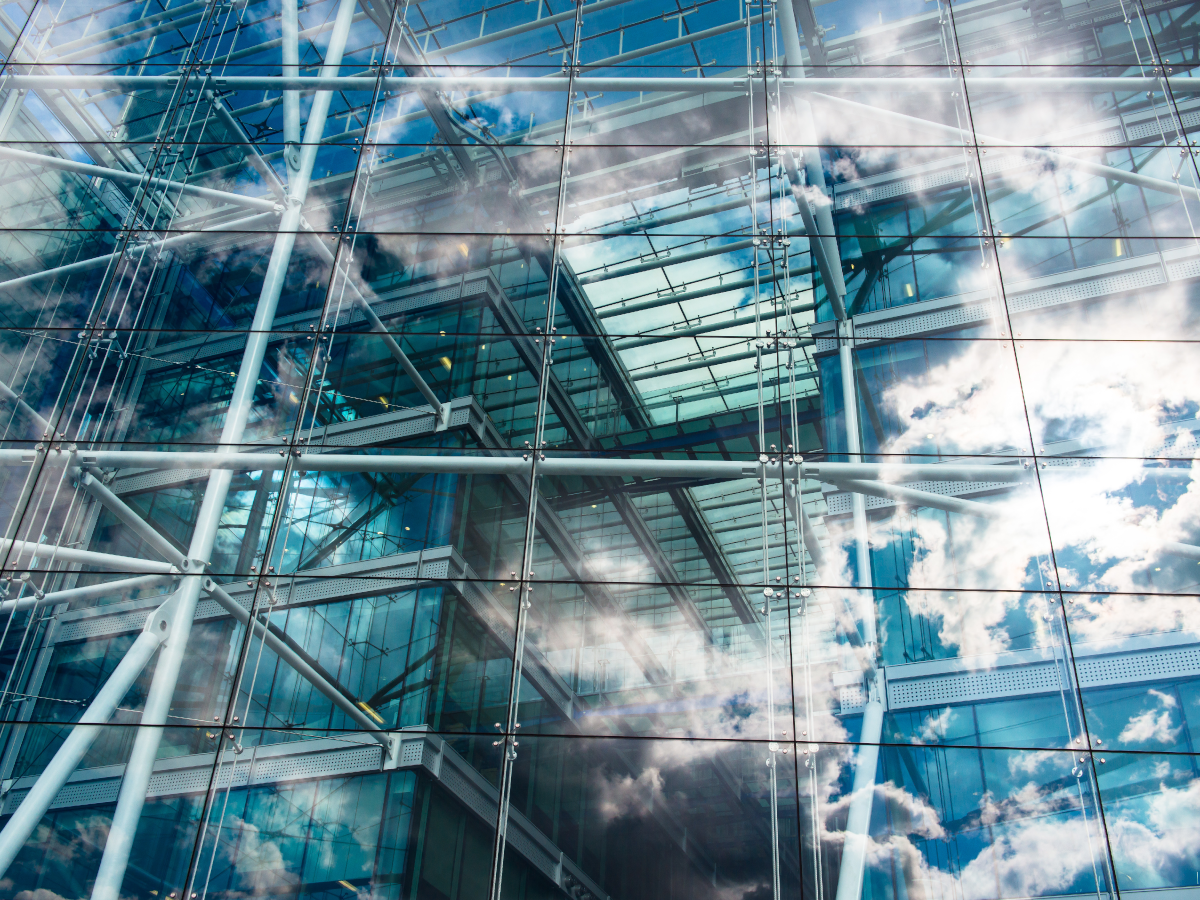
New technologies are emerging around the world that will enable a building to be contructed of materials that clean the air and the windows to capture solar energy. Green building is already a reality, and an R&D focus for Clariant and many other companies.
Sustainable design began in the 1980’s, with a push from the American Institute of Architects to do more to help save the planet, but has evolved from its focus on certifications around water and energy savings to concepts like biophilia.
“New technology is developing that uses plants connected to computers as monitors for things like daylight and air quality. Some designers are challenging the intersection of architecture with other disciplines, such as microbiology or horticulture, to literally ‘grow’ buildings or graph tree cells onto a framework to create a living structure.,” explains architect Veronica Schreibeis Smith, founder and CEP of Vera Iconica Architecture and a speaker at the DesignWell conference in San Diego in January.
These sustainability features not only help the environment but provide healthier spaces for people, highlighting what wellness architecture is all about. As with indoor design trends, urban design and architecture is now about materials and not materialism and those working in the field are transitioning into this thinking at the same time as their customers.
Designers, architects, producers and consumers – we are all on a learning journey together, and it’s expanding beyond sustainability. Of course, sustainable materials remain a priority for professionals but it’s no longer enough to just be LEED certified, for example. There is a shift towards looking at wellness as a whole and this includes wall coatings to floors to the structure of buildings with a focus on healthy materials that harm neither people or the planet.
As we look to the future it’s clear that the nature and wellness trend in urban design and architecture is not going away. According to the Global Wellness Institute’s 2018 industry report wellness buildings are a $134-billion industry. Whilst that is still less than half the size of the green building industry and makes up only a fraction (2%) of the global construction industry as a whole, it’s growing at almost 10% a year, prompting the institute to predict that in the next several decades, shaping our urban landscapes for human wellness will become the default approach and not simply a hot annual trend.
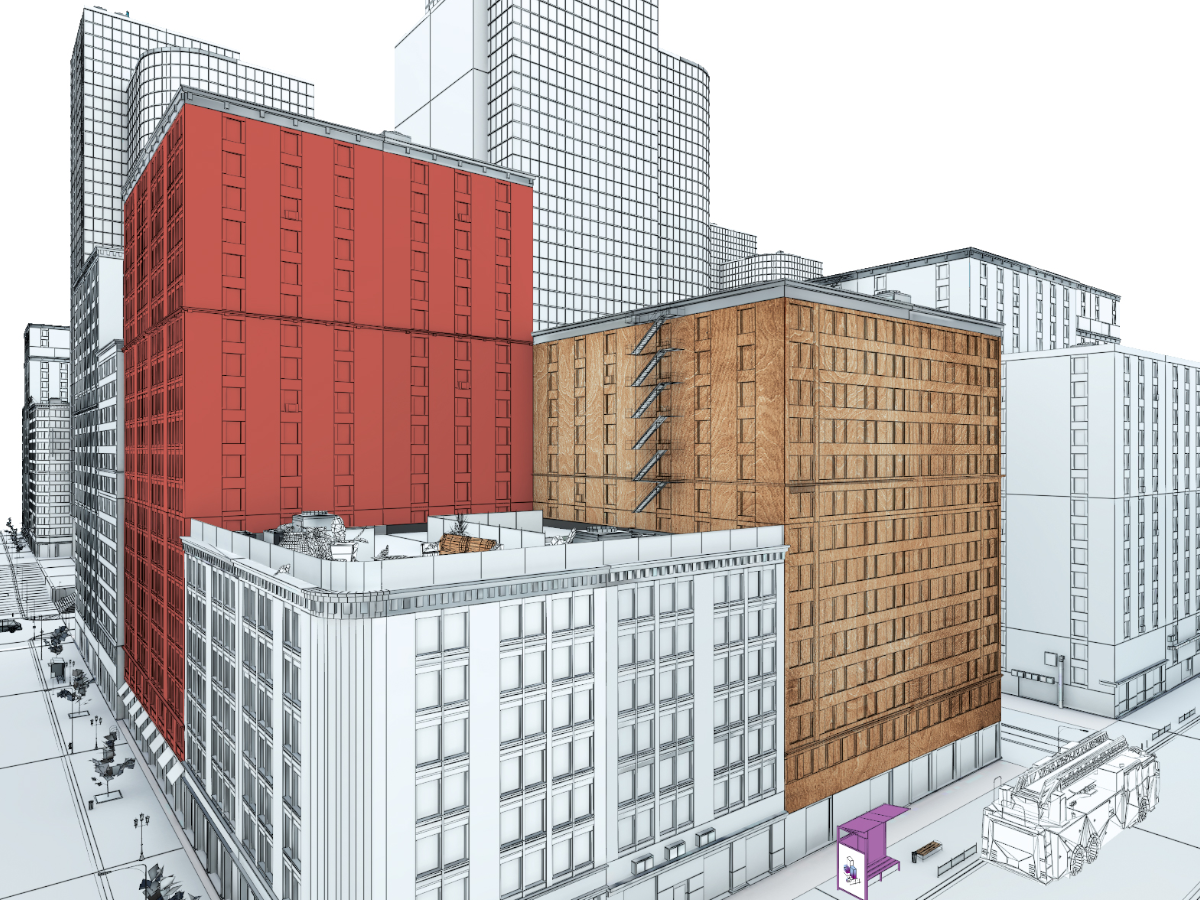
We’re part of a new movement in home and community design and it’s creating powerful opportunities in innovation, research and materials. The future of the urban city is not only about sustainability but immersive wellness.
Clariant has long been at the forefront of industry sustainability, driving to develop healthy materials such as new Hostavin 3315 DISP, Hostavin 3070 DISP and Exolit AP 435 that all carry the Clariant EcoTain label, in line with growing consumer awarness of environmental and wellness issues.